ester eva damen
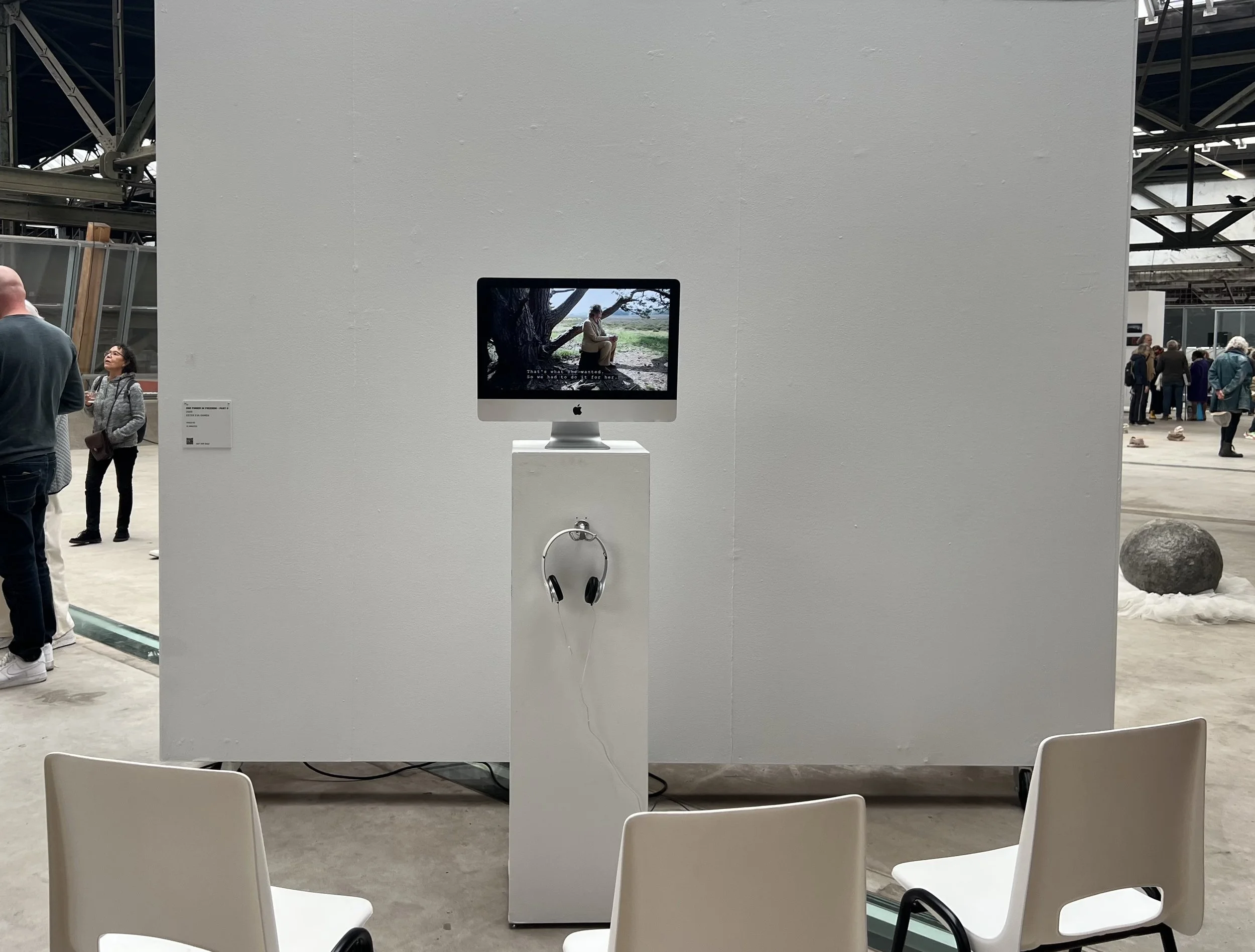
“Een pink in de vrijheid (One Finger in Freedom)”, part II
Video HD
15’
2025
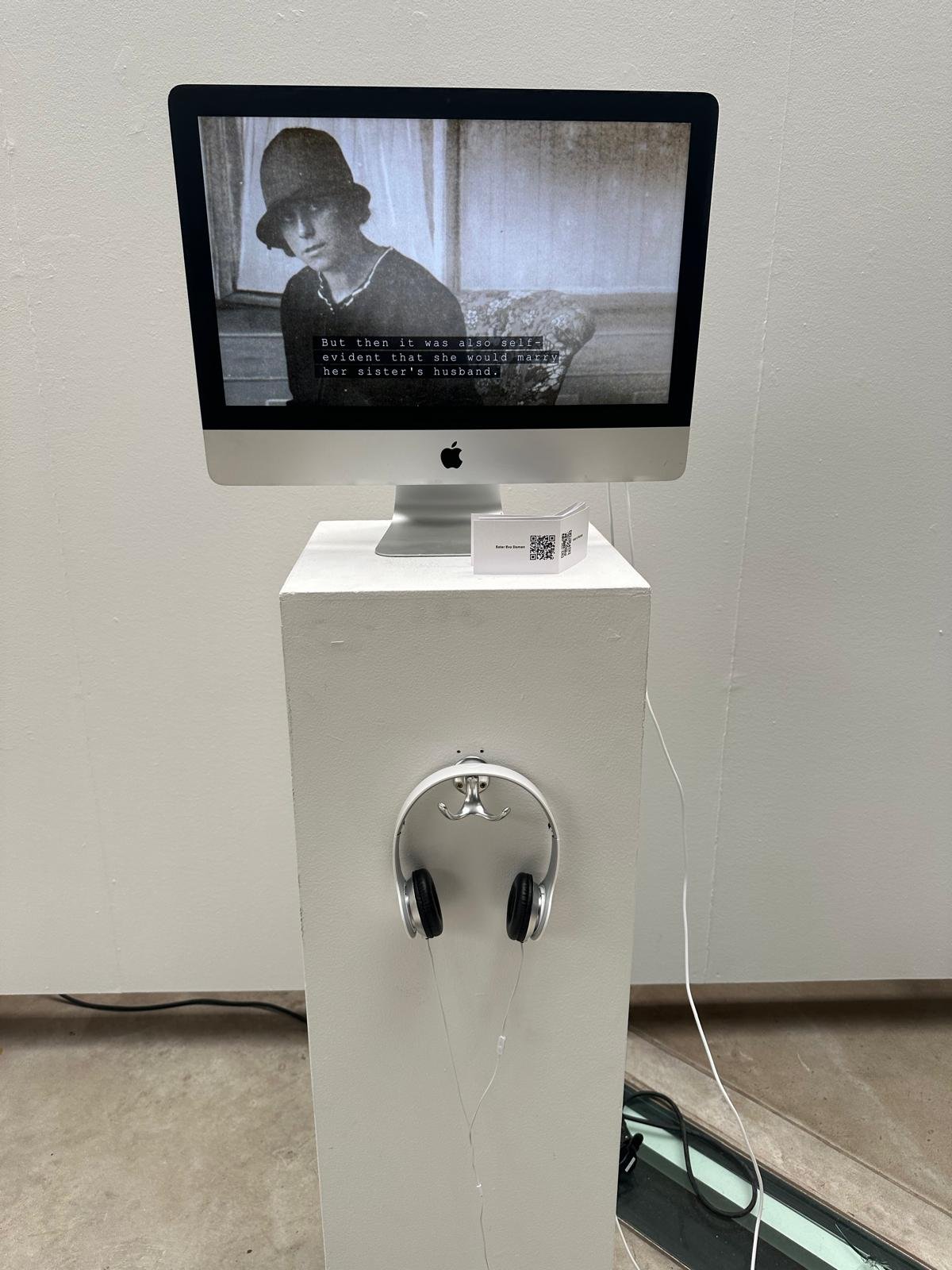
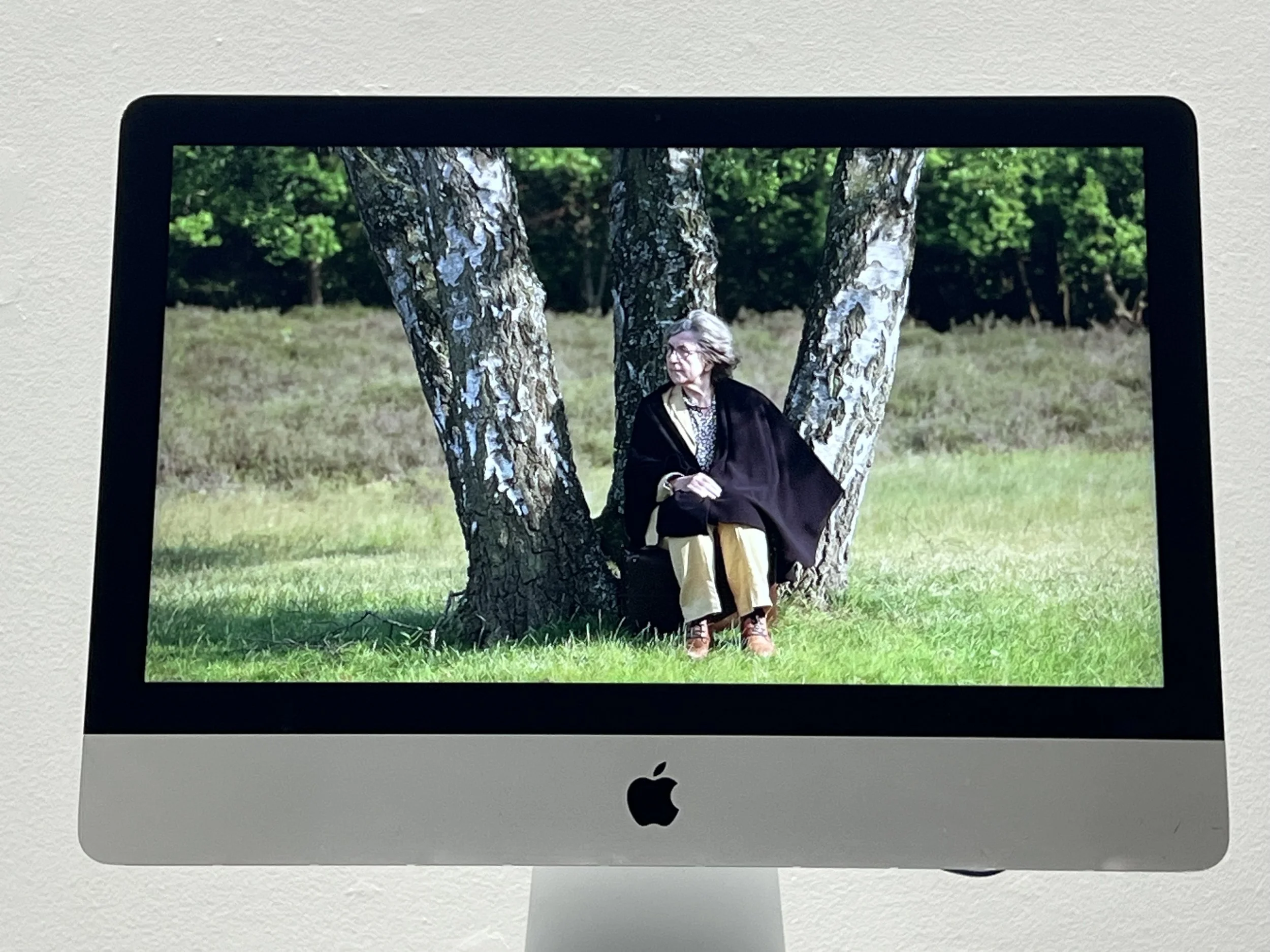
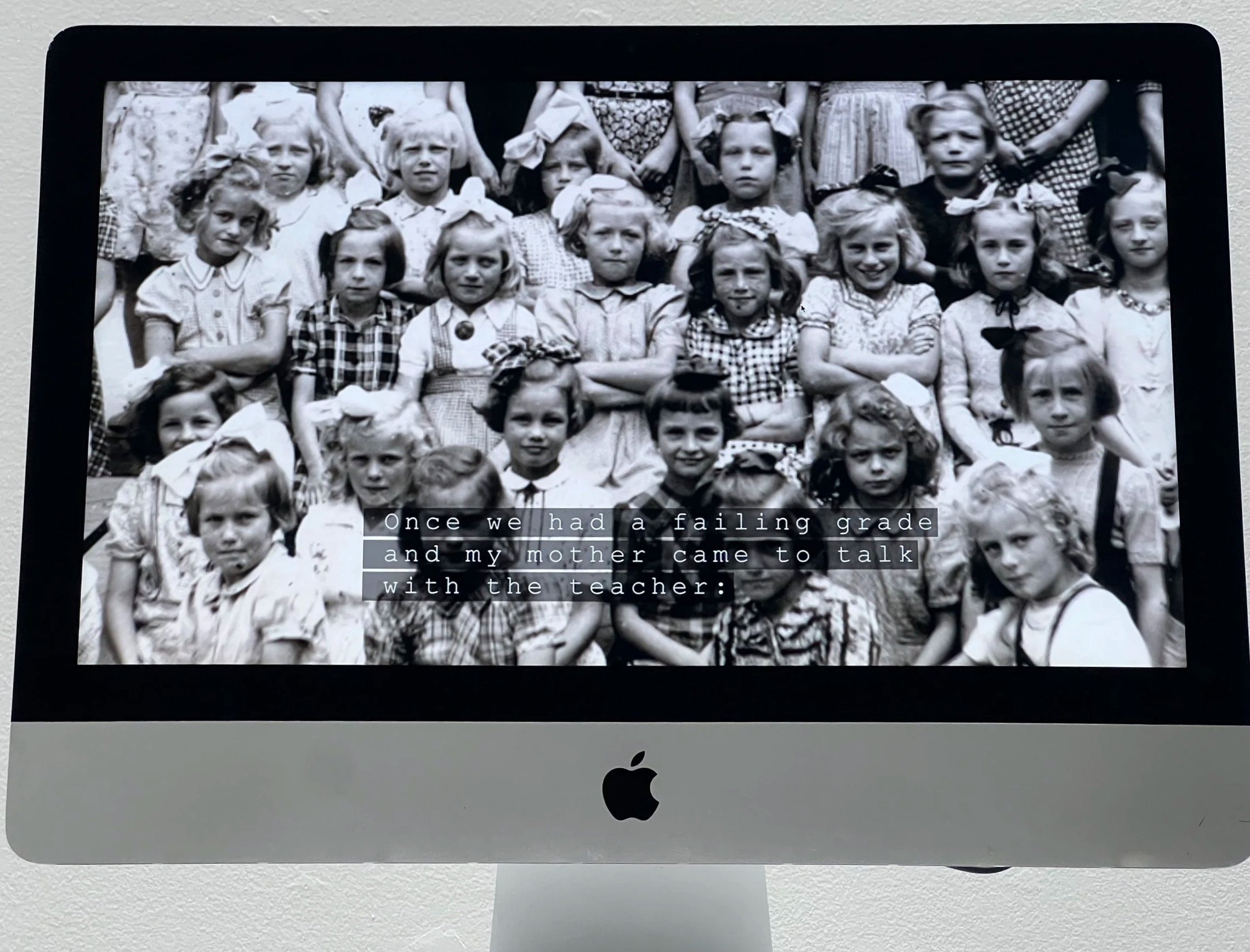
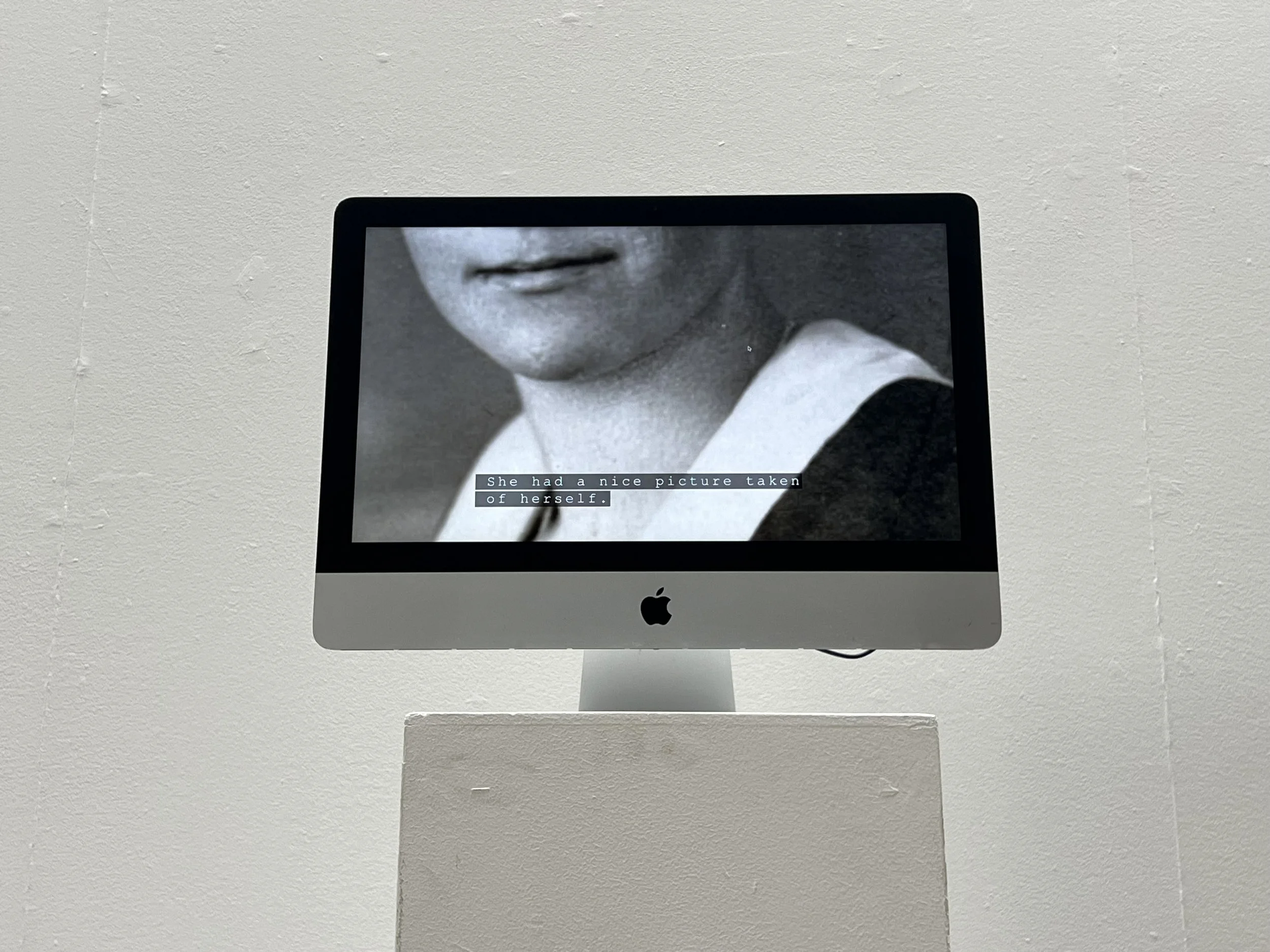
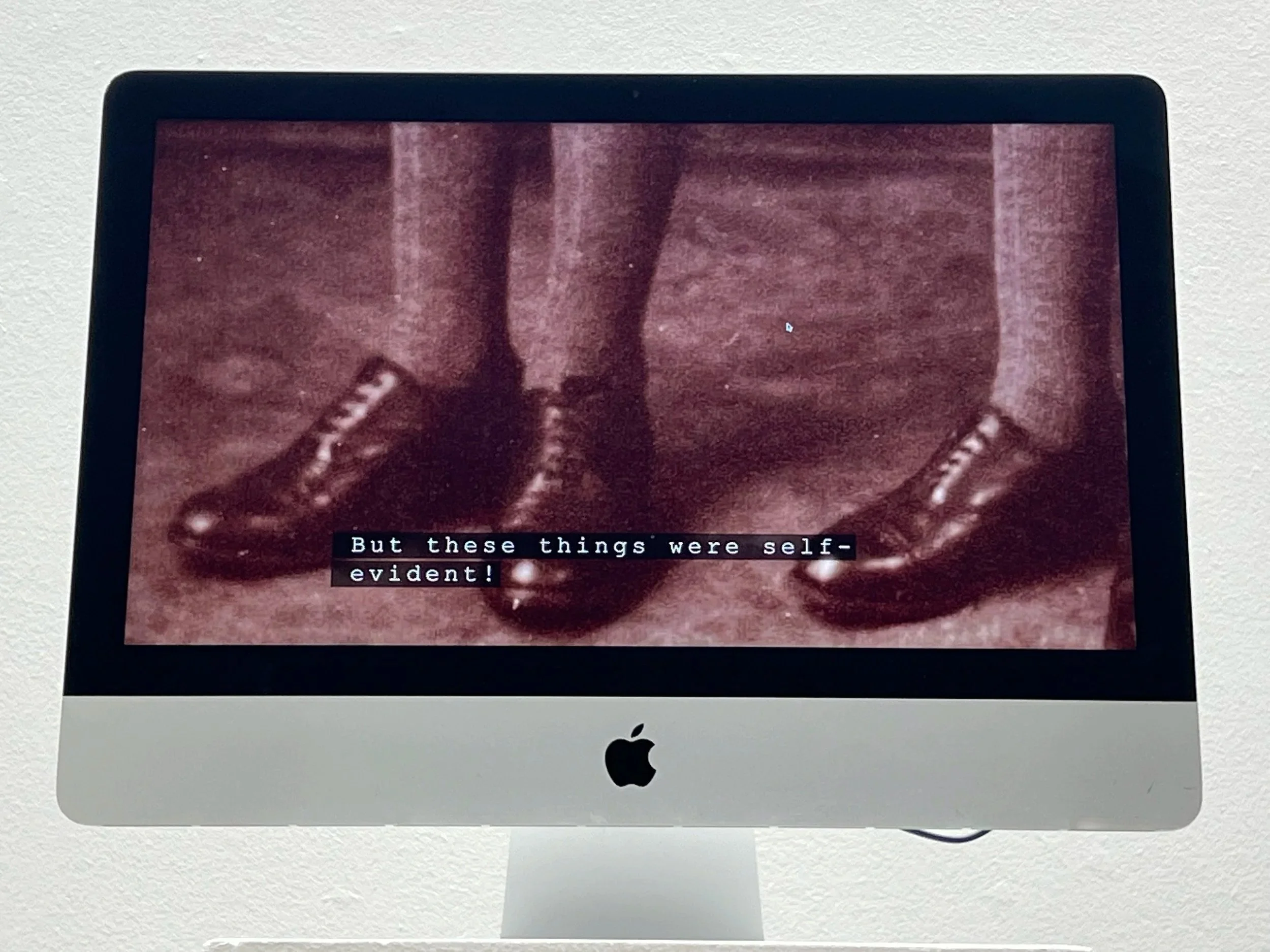
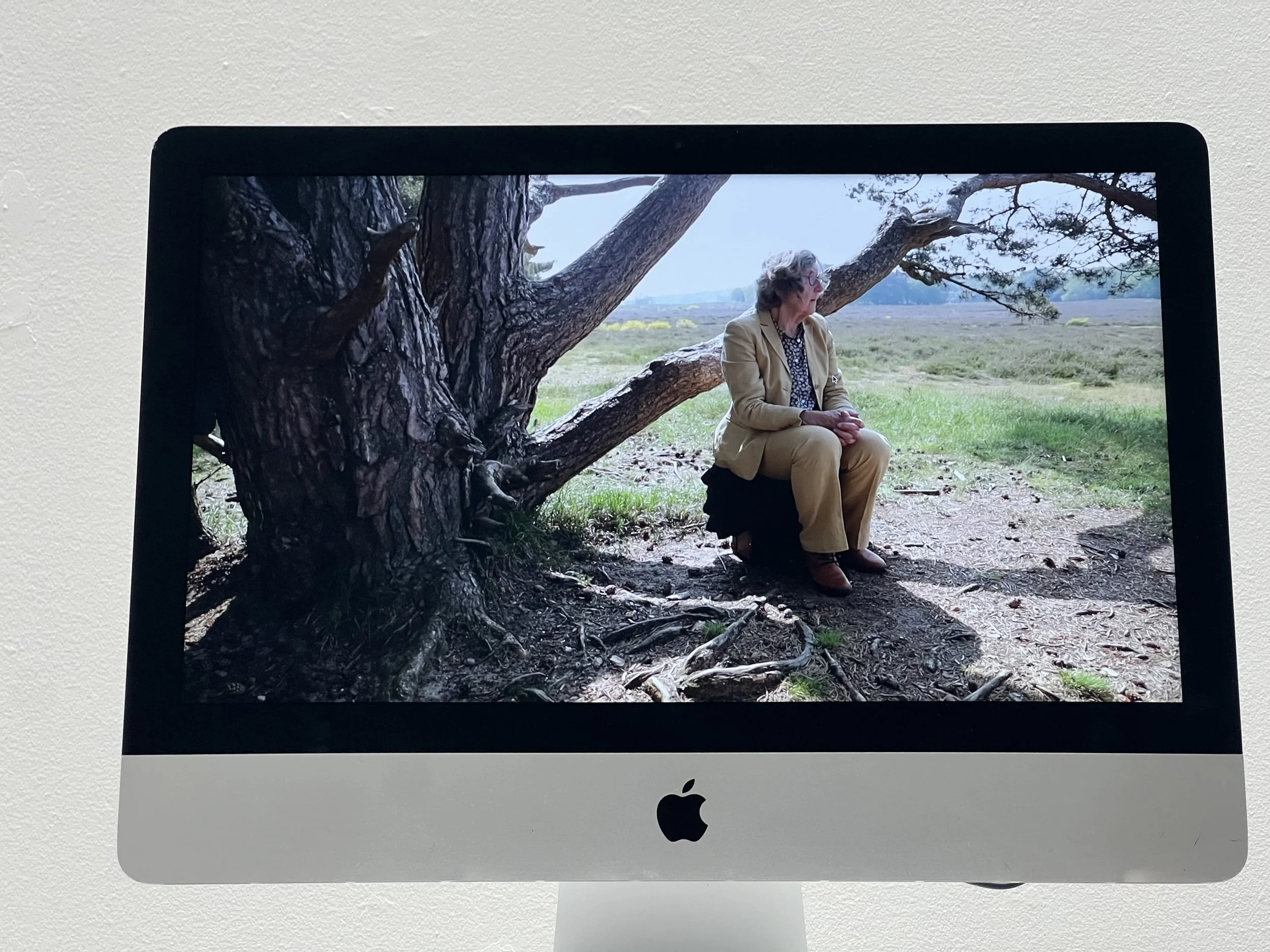
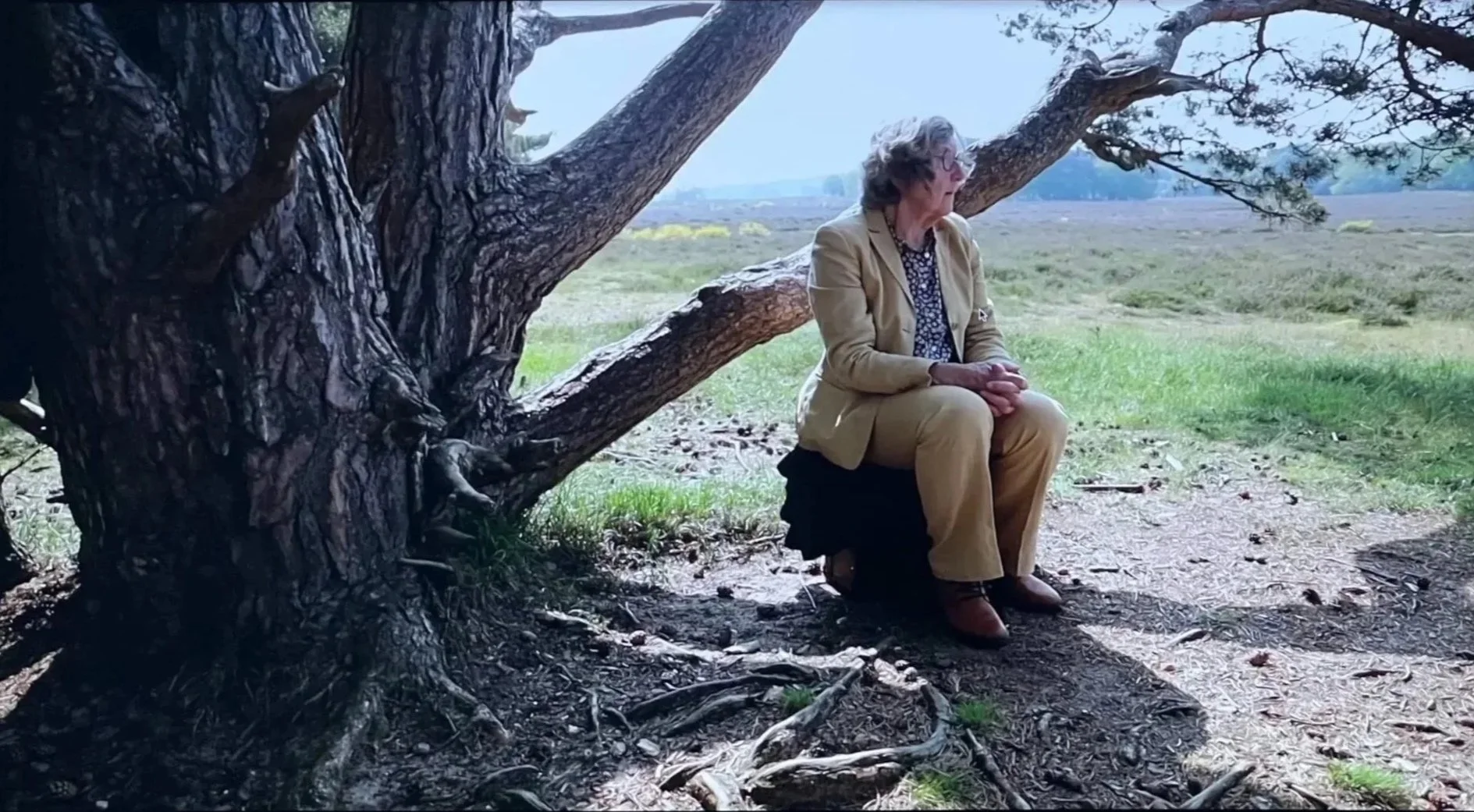
Damen’s grandmother was a farmer’s daughter who realised early on that the world extended far beyond the farm and her village. When her father arranged a marriage for her - expecting to receive a plow as part of the wedding exchange - she defiantly told him that he should marry the farmer himself, and make sure he got the plow with it. Her own daughters, she insisted, would have better futures. And so she broke with tradition, paving the way for Damen’s mother to become the family’s breadwinner.
Damen recognises that her own path has been shaped by the determination, resilience, and quiet rebellion of these two generations of women. Their refusal to accept prescribed roles made it possible for her to stand where she stands today.
Feminism has long challenged the erasure of women’s experiences from official histories, insisting that the personal is political and that the narratives lived in kitchens, fields, factories, and households are as significant as those written in textbooks. By documenting the stories of their mothers and grandmothers, artists reclaim spaces where women’s labour, resilience, and creativity have been undervalued or ignored. This act of preservation expands the historical record to include voices that patriarchy has systematically silenced. In doing so, we weave a richer, more inclusive tapestry of the past—one that empowers future generations to see themselves reflected in history and to continue the feminist work of redefining whose stories matter.
Recording the stories of women—our mothers, grandmothers, and the generations before us—is not only an act of remembrance but a profoundly feminist artistic gesture. Feminist art has long challenged the patriarchal structures that dictate whose experiences are deemed worthy of representation. By foregrounding women’s narratives, especially those rooted in domestic life, migration, caregiving, and survival, artists reclaim spaces historically dismissed as “private” or “insignificant.” Documenting these stories becomes a way of rewriting the cultural archive, transforming lived experience into a powerful counter-history that resists erasure. Within feminist practice, honouring the voices of our matrilineal line is both a political act and a creative strategy—one that affirms the value of women’s labour, wisdom, and imagination. In giving form to these memories, feminist art ensures that the lives of our mothers and grandmothers not only endure but actively shape the narratives of the future.